Column · @thebuggytourdubaipulse
How to Choose a Buggy Tour in Dubai That Fits Your Plans
Start with the kind of drive you want
A buggy tour dubai can feel very different from one booking to the next. Before comparing names or itineraries, decide what kind of outing you actually want. Some trips lean towards a short, lively drive over open sand. Others build the drive around a wider desert safari, with stops for photos, sandboarding, or a sunset tour. The right choice depends less on the vehicle shape and more on the pace, route, and time you expect to spend away from the city.
Think about your group too. A private outing suits families or friends who want space, clear communication, and a pace that matches everyone. A shared trip can feel busier, with more waiting and a schedule shaped by the group. Neither option is automatically better. The key is to match the format to the way your group travels. If you are choosing with children, older relatives, or someone who prefers a calmer ride, make that clear from the start rather than hoping the route will slow down on the day.
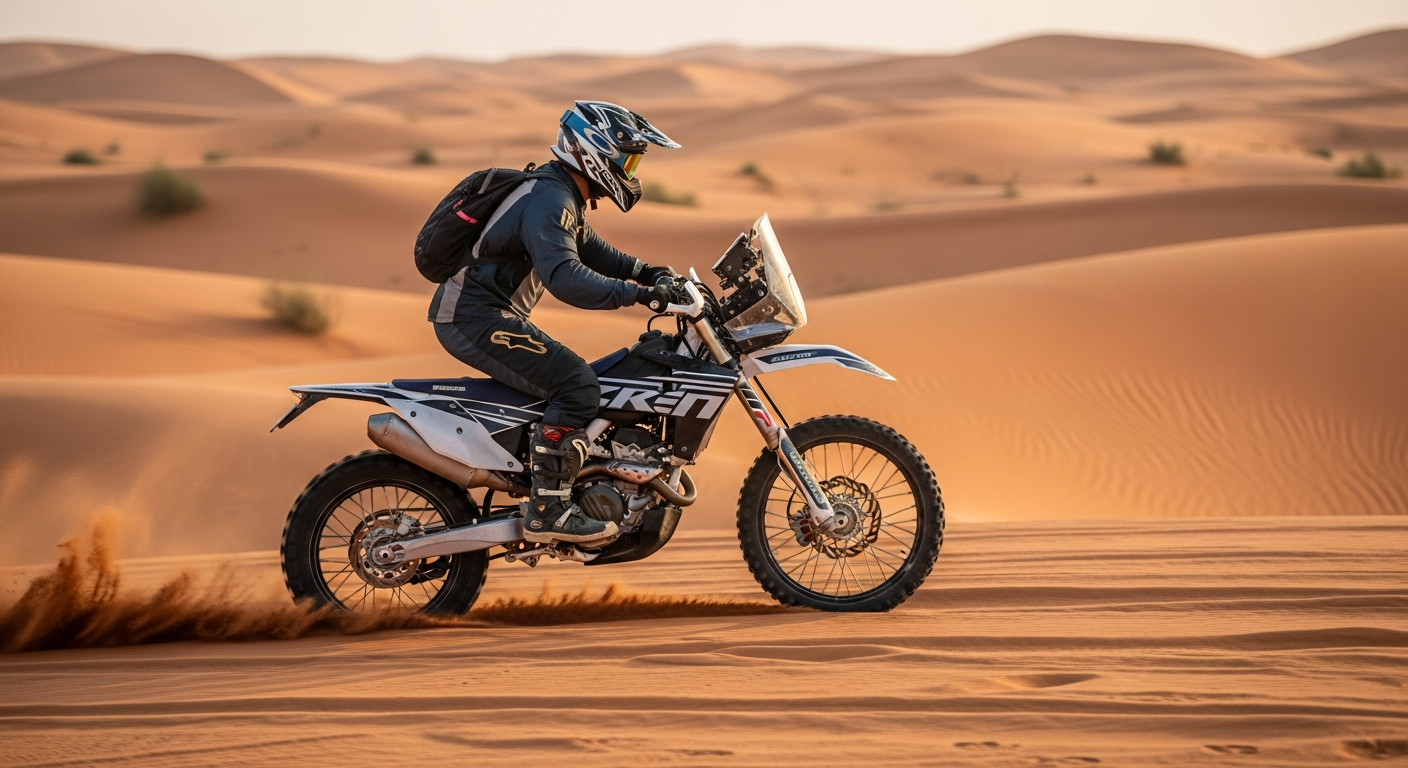
It also helps to know what "buggy" means in this setting. In many desert trips, the vehicle is a small off-road vehicle designed for two seats, with a roll cage and a short wheelbase. It feels more direct than a large SUV and often sits lower. That can make the drive feel lively, but it also means dust, bumps, and sand spray are part of the experience. Anyone who wants a quiet, sealed cabin may prefer a different format. Anyone who enjoys open air and a close view of the dunes may find the buggy format more appealing.
Check the route, timing, and what happens between the drives
Once you know the style you want, look closely at the route. A good listing should say where the drive begins, what terrain is included, and whether there are stops. The desert around Dubai can include open dunes, firm tracks, and areas used for different activities. A route with dune bashing will feel more active than a gentle loop on firmer ground. If the listing only promises "desert driving" with no detail, ask what that means in practice.
Timing matters just as much. A morning trip tends to be cooler and clearer, with stronger light for photos. A late afternoon or sunset tour can look beautiful, but the schedule may be tighter and the temperature can still be high before the sun drops. Evening trips may include dinner or entertainment, yet the driving portion may be shorter than expected. Read the order of events, not just the total hours. A long outing is not always a long drive.

Watch for pickup service if transport is part of your plan. Note whether pickup is from a hotel, a fixed meeting point, or not included at all. Check whether the return point is the same as the start. This detail matters if you are staying outside the usual pickup zone or have other plans afterwards. A trip that looks convenient on paper can become awkward if you need to arrange your own way back from a remote meeting point.
When comparing options, keep notes on the small practical points. They are easy to miss when several listings look similar.
- How much of the total time is actually spent driving
- Whether photos, sandboarding, or other stops are included or optional
- Whether the route suits beginners, children, or nervous passengers
- Whether food and drinks are part of the package
- Whether the trip ends where it began
As you narrow the shortlist, it is sensible to compare a few providers rather than settle on the first appealing description. A site such as alqudratours.com can be one reference point while you check what is included, what is clear, and what still needs a direct answer. The aim is not to collect the most promises. It is to find a trip whose details line up with the day you have in mind.
Read the driving requirements before you commit
Many visitors assume that all buggy trips work the same way. In reality, driver rules vary. Some outings let guests drive after a short safety briefing and basic instruction. Others may require previous off-road experience, a licence, a deposit, or a higher level of responsibility for damage. Age limits can apply to drivers and passengers, and rules may differ for children. If anyone in your group expects to take the wheel, confirm the requirements before booking rather than on arrival.
Ask how the driving is organised. Are guests following a leader in a convoy, or is there freedom to roam? A led route usually suits first timers because the pace and direction are managed. More open driving can feel appealing, but it needs firm boundaries and clear signals. In a desert setting, the ability to stop, regroup, and communicate matters more than speed. A provider that explains these points clearly is usually easier to deal with than one that focuses only on power and adrenaline.
Also check what happens if one person wants to ride instead of drive. A passenger seat may be included, but that should be confirmed. If two people both want to drive, find out whether that means switching seats during stops or booking another vehicle. This is a common source of disappointment, especially for couples and families. It is better to settle it early.
Any safety briefing should cover seatbelts, helmets if used, hand signals, safe following distance, and what to do if the group stops. Listen properly even if the terrain looks gentle. Sand changes quickly, and a vehicle that feels stable on firm ground can behave differently on a slope or soft patch. If instructions are rushed or unclear, treat that as a warning sign. A well run trip makes safety part of the experience, not an awkward pause before the fun begins.
Compare what is included and what is left open
Pricing varies widely in this market, so compare the whole offer, not just the headline. Look at the vehicle type, number of seats, duration, route, guide, fuel, protective gear, refreshments, meals, and transport. If a lower price excludes several of these, it may not be the better value. At the same time, a higher price does not guarantee a smoother day. Clear information is often more useful than a long list of extras.
Be careful with vague wording. Terms like "full experience" or "premium desert adventure" sound good but say little. A useful listing explains what happens from arrival to return. It should tell you whether there is time to settle in, how long the briefing takes, whether there are photo stops, and how much freedom guests have during breaks. If the itinerary changes because of weather or desert conditions, that should be explained in plain language.
Insurance and liability are worth checking as well. Ask what cover applies to the vehicle, passengers, and third parties, and what the driver is responsible for. Do not assume that every off-road vehicle is covered in the same way. Read the booking terms before paying, especially the sections on cancellations, late arrival, damage, and medical or personal belongings. If something is not written down, ask for confirmation in writing. That record can prevent confusion later.
Another point to check is group size. A smaller group often means less waiting, clearer instructions, and more space at stops. A larger group may feel lively and social, but it can also stretch the schedule. If your priority is photography, a quieter group may suit you better. If your priority is a social outing, a busier group may add to the atmosphere.
Match the trip to the season and your comfort level
Dubai desert conditions change through the year. Heat affects comfort, driving pace, and how long people want to stay in the sun. In warmer months, a morning slot is usually easier for most visitors. In cooler months, late afternoon can be pleasant and gives the dunes a different look. Sunset is popular for a reason, but it can also mean dust in the light and a rush at the busiest times. Choose the time that suits your group rather than following the most photographed option by default.
What you wear also shapes the day. Light, loose clothing, closed shoes, sunglasses, and sun protection are practical choices for an open vehicle. A scarf or face covering can help with dust. Long hair may need to be tied back. Phones and cameras should be secured, since sand and bumps are part of the ride. If you plan to take photos, decide whether you want a protected case or a simple strap. These small choices can make the outing more comfortable without changing the trip itself.
Comfort level should guide the route as much as the weather. First timers may prefer a steady drive with clear pauses and a leader nearby. Experienced off-road guests may want a more varied route with steeper dunes and longer stretches. Be honest about the group's limits. A buggy can make a route feel faster and more intense than it looks on a map. If someone feels uneasy, a calmer option will still deliver the desert setting without turning the day into a test of nerve.
There is also the question of accessibility. Some activities, including sandboarding, involve walking on sand or getting in and out of vehicles. If anyone has mobility limits or a medical concern, ask about the physical demands before booking. Do not rely on the word "easy" in a listing. Ask where guests walk, how long they stand, and whether there are seats at stops. A little detail can prevent a difficult day.
Make the final choice with clear answers
By this point, the decision should be less about glossy descriptions and more about fit. A reliable choice is one where the route, timing, driving rules, group size, inclusions, and safety approach all make sense for your group. If several options still look close, rank them by what matters most: driving time, comfort, photography, transport, or a wider desert safari experience. This avoids choosing on a single feature that may not matter once the day begins.
Before confirming, read the booking details one last time. Check the date, start point, pickup arrangements, meeting time, and cancellation terms. Save written confirmations and ask about anything that appears unclear. On the day, arrive with enough time to sign documents, listen to the safety briefing, and get settled. A calm start usually leads to a better drive.
Choosing a buggy tour in Dubai is mostly a matter of asking precise questions. The desert setting is the shared part. The differences sit in the details: how the vehicle is driven, how the group is managed, what the route includes, and how well the trip matches the people going. When those details are clear, the outing is far more likely to feel worth the time you set aside.